
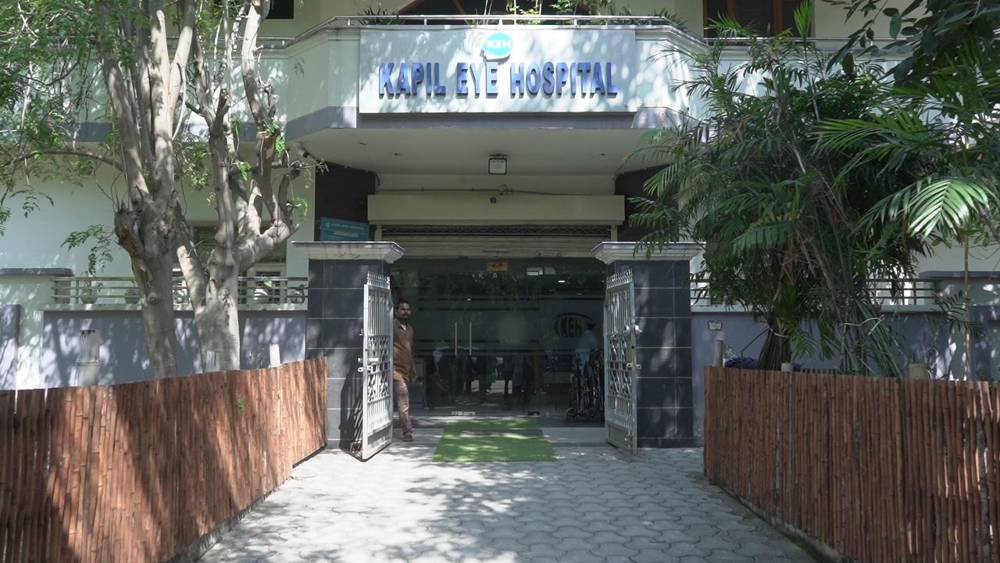
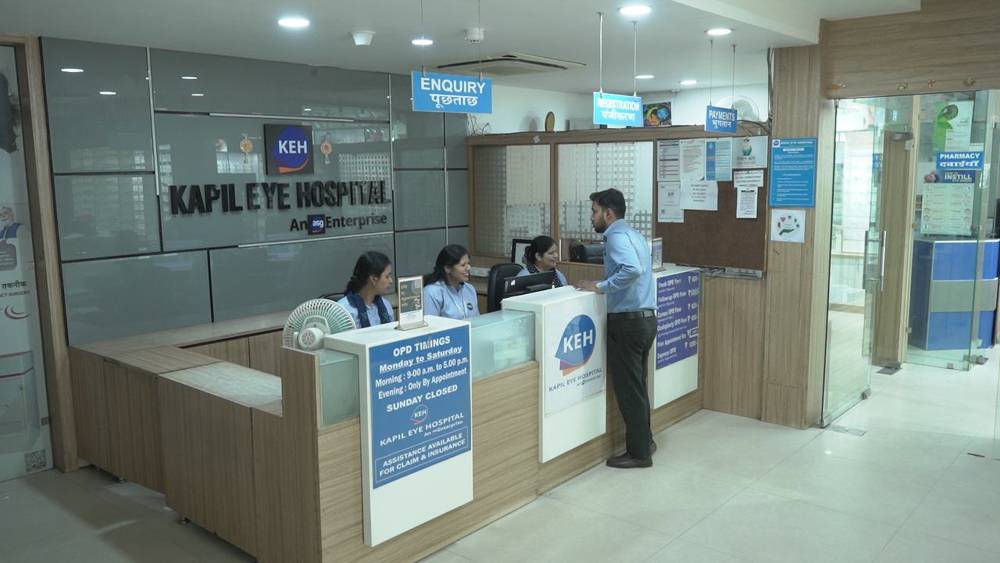

Cataract is basically a cloud in your vision or, in simple words, blurry vision. This eye disease causes disruption of light into the retina, creating images like looking through an opaque glass. The most common symptom of a cataract is blurred vision. Other symptoms may include faded colors, poor night vision, halos around lights, double vision in one eye, and frequent changes in eyeglass or contact lens prescriptions. If you’re experiencing these cataract eye symptoms, visiting a trusted cataract hospital like Kapil Eye Hospital can provide you with expert cataract surgery and advanced treatment options to restore your clear vision.
Cataract is the leading cause of blindness in the world. It is a clouding of the eye’s natural lens, which lies behind the iris and the pupil. While cataract is most common in older adults, it can occur at any age. It can cause blurry vision, double vision, halos around lights, and sensitivity to light and glare. If you or a loved one is experiencing these symptoms, it’s essential to seek care from a trusted cataract hospital for expert diagnosis and treatment.
Cataracts are caused by a buildup of proteins in the eye’s lens that can cause it to cloud over and block light from reaching the retina. While doctors don’t know exactly what causes the buildup of proteins, they believe it is the result of aging and the exposure of the eyes to ultraviolet light. Regular eye check-ups at a trusted cataract hospital can help detect cataracts early and prevent further vision deterioration.
The most common treatment for cataracts is surgery. Cataract surgery involves removing the cloudy lens and replacing it with an artificial intraocular lens (IOL). This procedure is usually done on an outpatient basis and takes about 5 minutes. After the surgery, patients may need to wear glasses or contact lenses to improve their vision. For safe and effective cataract surgery, trust the experienced specialists at a trusted cataract hospital, where advanced technology and compassionate care ensure the outcomes for patients.
Cataracts are caused by a buildup of proteins in the eye’s lens that can cloud vision. While doctors don’t know exactly what causes this buildup, it is often linked to aging and prolonged exposure to ultraviolet light.
For the care and results, it is recommended to visit a trusted cataract hospital, where experienced specialists provide guidance on cataract eye symptoms and perform surgery to restore clear vision.
Symptoms of Cataract
Progressive blurry vision is a common symptom, and a person suffering from this problem may face difficulty focusing while driving or performing other daily activities such as reading, writing, or watching TV—basically anything that requires clear vision.
If you notice these cataract eye symptoms, it is important to consult an eye specialist promptly. There is no medication, exercise, or eye drops to stop or eliminate cataract; surgery is the only effective treatment option.
Phacoemulsification Procedure
Phacoemulsification, also known as “phaco” or “small incision cataract surgery,” is a minimally invasive surgical technique used to remove cataracts from the eye. During the procedure, an ultrasonic probe is inserted into the eye, which emits sound waves to break up the cataract into tiny pieces. The fragments are then suctioned out of the eye. Trust a trusted cataract hospital for cutting-edge cataract treatment and exceptional eye care.
The procedure is performed under topical (eye drop) anesthesia and usually takes around 5 minutes, including pre- and post-operative care. The patient typically experiences minimal discomfort and can return home within a few hours after the procedure.
The primary benefit of phacoemulsification is that it is a minimally invasive technique, which means that it requires no sutures or stitches. This reduces the risk of infection and other post-operative complications. Additionally, small incision cataract surgery offers improved vision and a quicker recovery time than traditional cataract surgery.
At Kapil Eye Hospital, we specialize in advanced cataract treatments, making us the trusted choice for patients seeking a trusted cataract hospital. If you or a loved one is experiencing cataract eye symptoms, early consultation can ensure timely treatment and better outcomes.
In order to ensure optimal results, it is important for patients to choose an experienced eye surgeon. A qualified ophthalmologist will provide an individual assessment of the patient’s condition and guide them on the treatment option.
Via a small incision, a micro instrument is inserted into the eye that vibrates forty thousand times a second, breaking the cataract into tiny pieces. After this phase, these small pieces are suctioned out of the eye and replaced with a new artificial lens. No stitches are required, and healing is quick. Usually, within 5 days, you can return to your daily activities.
Kapil Eye Hospital provides advanced eye care tailored to your needs. Your doctor will recommend the treatment option suitable for your condition, ensuring safe and effective results. Trust our expertise for world-class cataract surgery and personalized care.
Benefits :-
- No Stitches
- No Pain
- No Injection
- Safe
- No Cloudy Glance
- Highly Accurate
- Recovery Time 4-7 Days
- Enhanced Contrast & Focus
- Long lasting outcome
- Very higher rate of success
- Not a prolonged surgery